
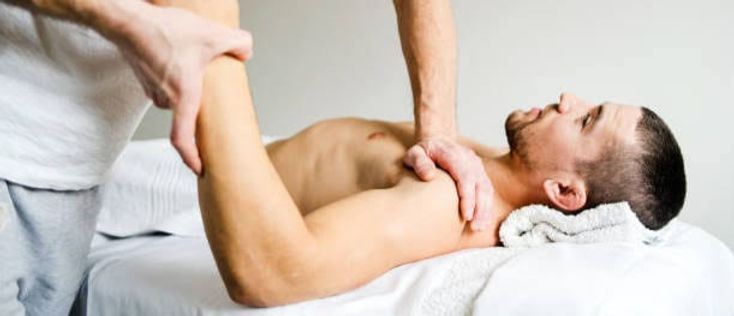
Myotherapy in Milton, Brisbane
Myotherapy is a specialised form of hands-on therapy focused on assessing, treating and managing musculoskeletal pain and movement problems.
At Paddington Massage Studio in Milton, our myotherapy treatments are designed to identify the underlying causes of discomfort and provide targeted care to help restore normal muscle function, improve mobility and support long-term recovery.
Many people experience ongoing pain due to muscle tension, poor posture, repetitive movements, sporting activities or previous injuries. Myotherapy combines clinical assessment with advanced treatment techniques to address these issues and help you return to the activities you enjoy.
During your appointment, your therapist will assess your movement, posture and areas of discomfort before developing a treatment approach suited to your individual needs.
Myotherapy may help with:
-
Neck and shoulder pain
-
Lower back pain
-
Sports injuries
-
Muscle tightness and tension
-
Headaches and migraines associated with muscle tension
-
Joint stiffness
-
Repetitive strain injuries
-
Workplace-related pain
-
Postural issues
-
Recovery after physical activity
Our Milton myotherapy treatments may include a combination of:
-
Deep tissue massage techniques
-
Trigger point therapy
-
Muscle release techniques
-
Stretching and mobility exercises
-
Dry needling where appropriate
-
Exercise recommendations

The goal of myotherapy is not only to reduce pain but also to improve how your body functions, helping prevent recurring problems and supporting better movement.
Whether you are an athlete recovering from injury, a professional experiencing desk-related tension or someone managing ongoing discomfort, our experienced therapists can create a treatment plan designed around your goals.
Book your myotherapy appointment at Paddington Massage Studio in Milton today and take the first step towards moving better and feeling better.
How Myotherapy Works
1. Assessment
We assess your movement, posture and areas of pain or dysfunction.
2. Treatment
Hands-on techniques are used to release tension and improve function.
3. Rehab & Exercise
You'll be guided with exercises to support your recovery and prevent future issues.
4. Better Movement
Feel stronger, more mobile and ready to get back to doing what you love.